
Do Gutter Guards Really Work?
- By Gutter Masters Pro
- 4,000+ Virginia Installs
- 8 min read ·
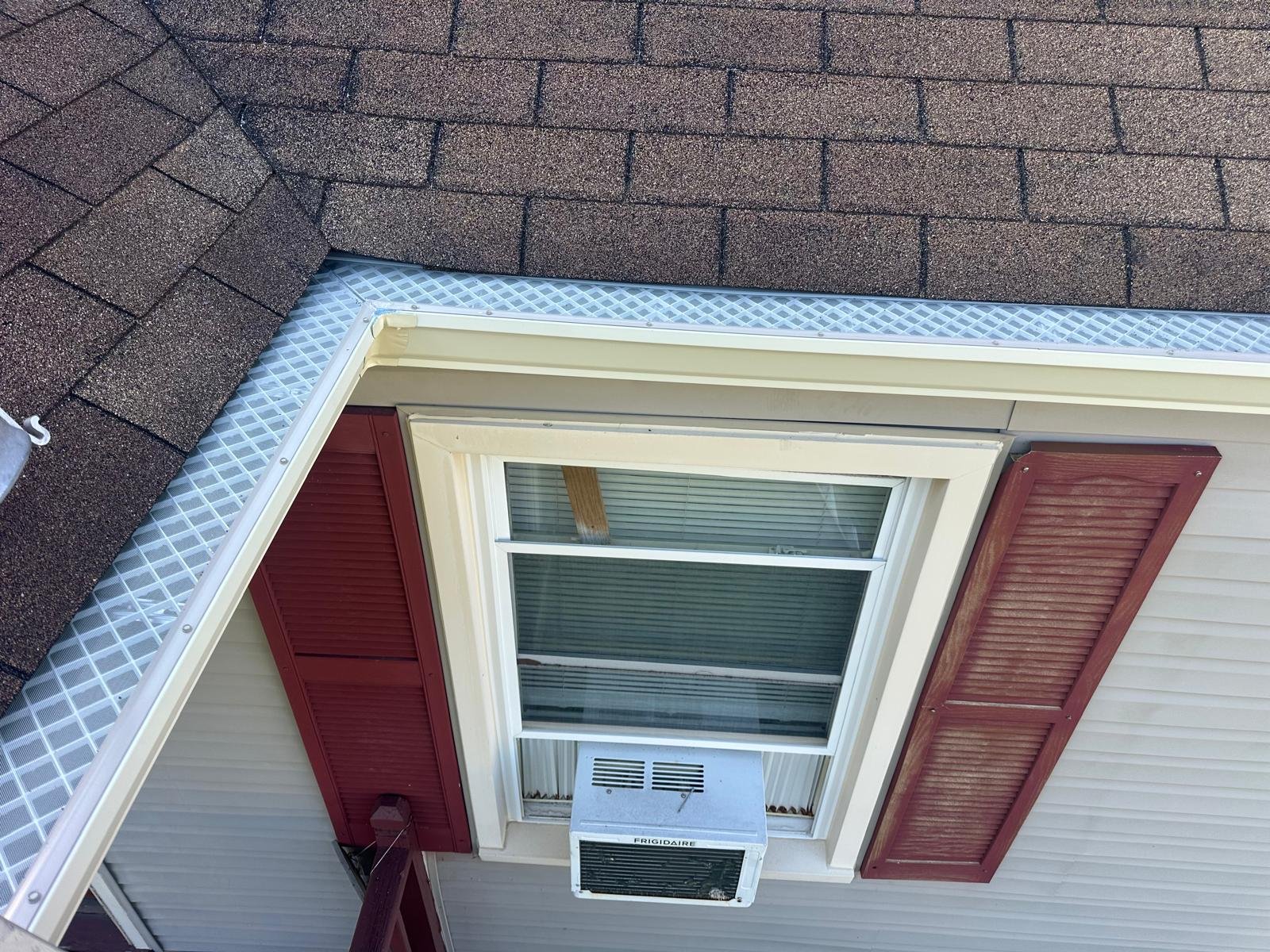
Do Gutter Guards Work for Hampton Roads Homes?
The short answer is yes, with an important caveat. Gutter guards significantly reduce how often your gutters clog and how frequently they need cleaning. They do not eliminate maintenance entirely — and in Hampton Roads specifically, where Loblolly Pine shedding, Live Oak catkins, and 49 inches of annual rainfall create one of the most demanding gutter environments on the East Coast, choosing the wrong guard type can make your problem worse, not better.
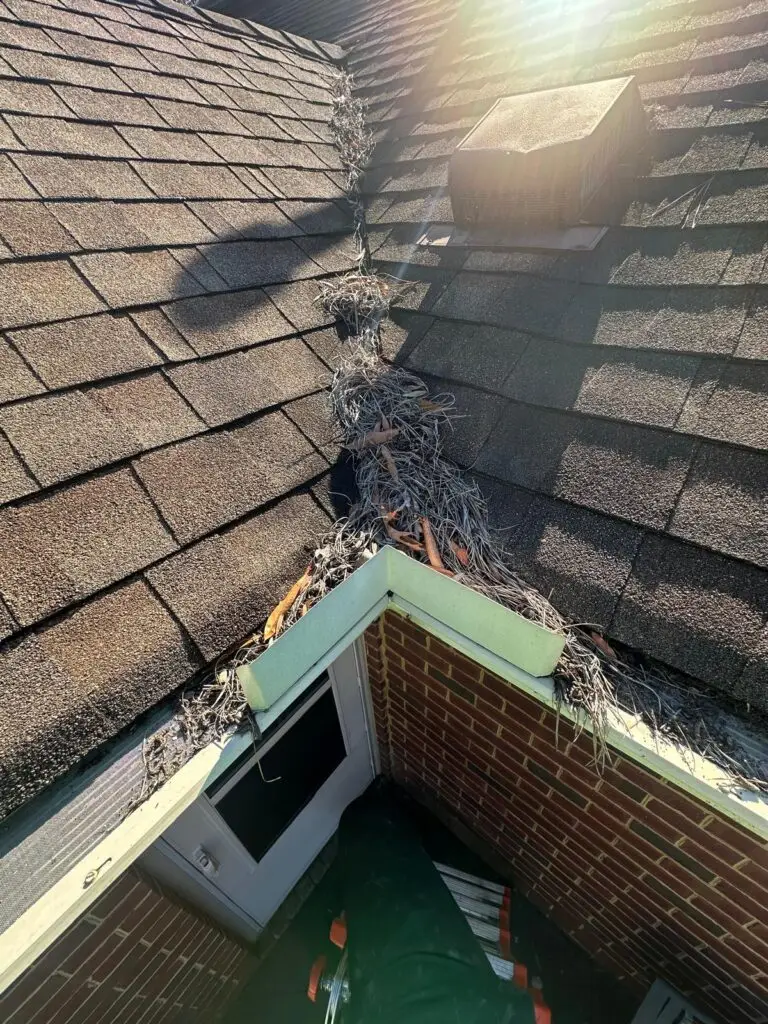
We’ve pulled guards off homes where the installer chose a basic screen product for a property under dense pine canopy — and found more debris inside the gutters than if no guard had been installed at all. The needles had threaded through the screen openings, accumulated, and formed a mat that was harder to clear than a standard blockage. The guard had become the problem.
That’s the distinction no promotional guide will tell you: the guard type has to match the debris type. In Hampton Roads, that matters more than almost anywhere else.
The 4 Main Types of Gutter Guards — Ranked for Virginia Conditions
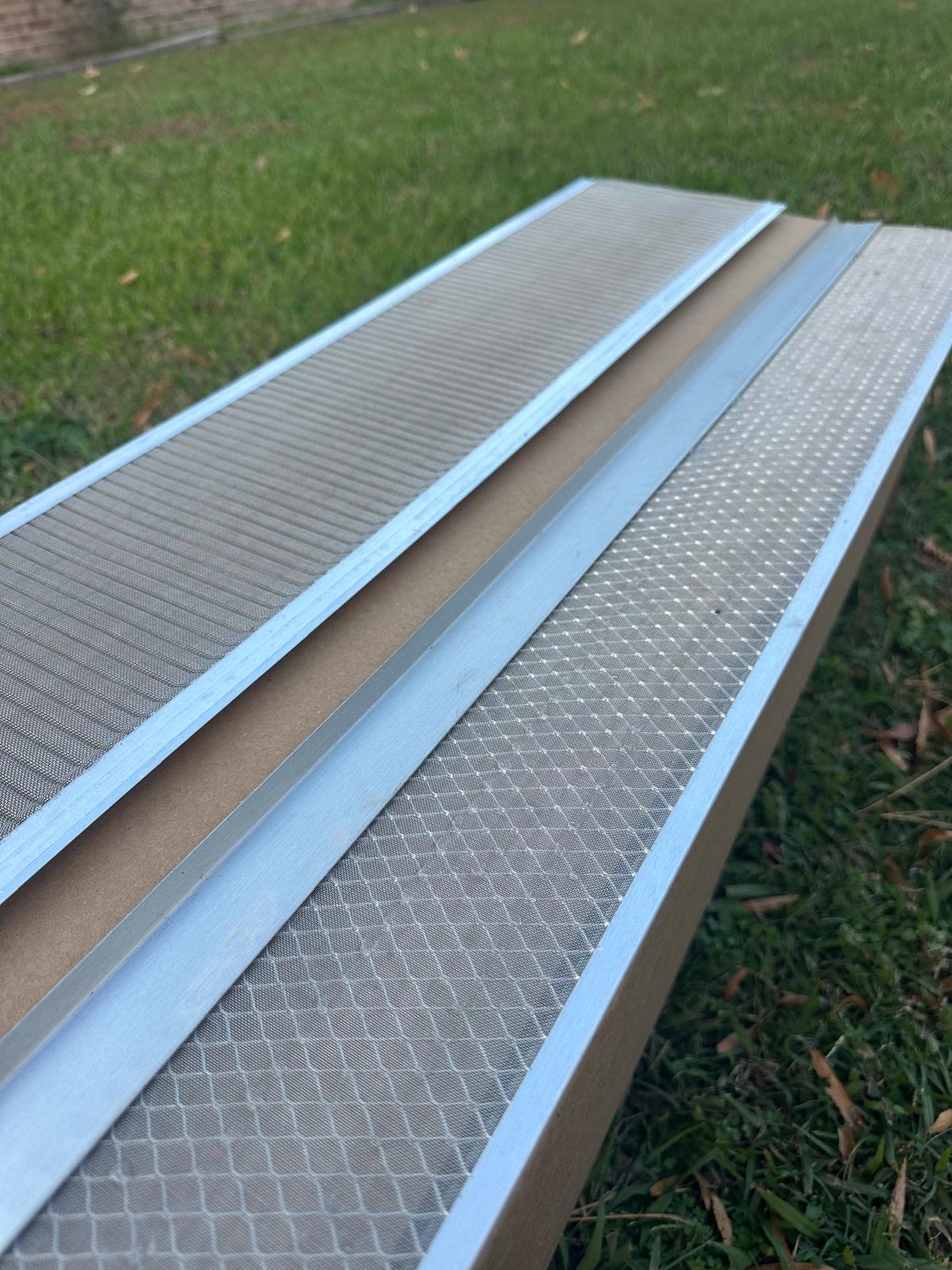
Understanding which guard does what is the starting point for any honest answer to “do gutter guards work.”
Micro-Mesh Guards
The practical verdict for this region: micro-mesh is the only type we install with confidence on coastal Virginia homes. Everything else is a compromise that may or may not work depending on your specific tree coverage.
The Pine Needle Problem: Why Hampton Roads Is Different
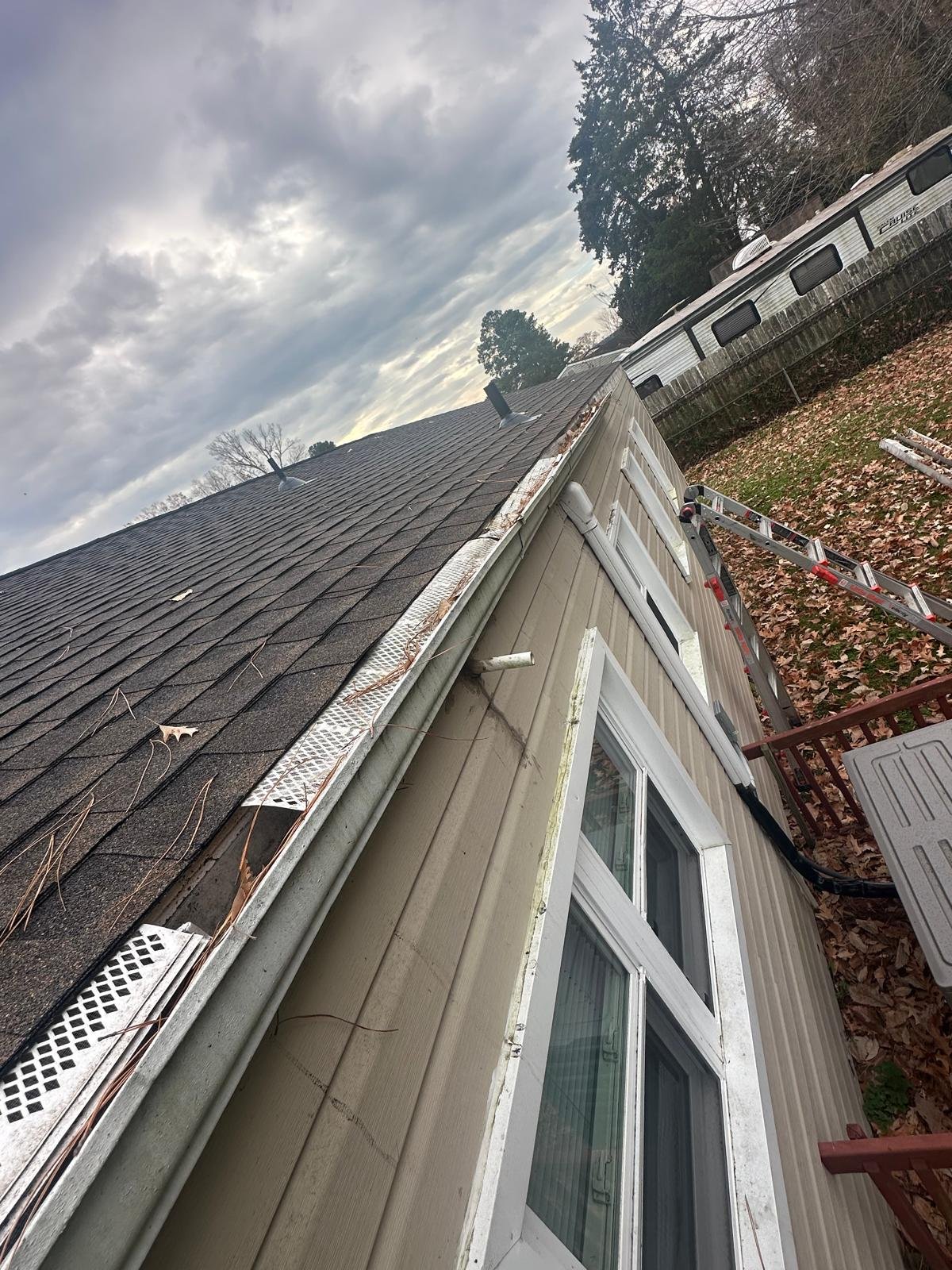
Most gutter guard advice is written for deciduous environments — one leaf drop in October, one cleaning in November, done. Hampton Roads doesn’t operate on that schedule.
Loblolly Pine — the dominant canopy tree across Ghent, Larchmont, West Freemason, Lochhaven, and most established Norfolk and Virginia Beach neighbourhoods — sheds year-round. The needles are long, flexible, and do not break down quickly. On a basic screen guard, they thread through openings and compact inside. On a reverse curve guard, they mat across the surface. On a quality micro-mesh guard, they sit on top of the mesh and are typically washed off by rain or cleared in a brief annual inspection — the intended behaviour.
We did a gutter cleaning job in Norfolk last season where we removed guards a previous contractor had installed on a Larchmont property with three mature Loblolly Pines at the rear. The homeowner had been told the guards were “maintenance-free.” Two years later, the guards had channelled pine needle debris into the downspout elbows so thoroughly that the downspouts had to be removed and cleared by hand. The guards had performed exactly as their design dictated — the design just wasn’t appropriate for that environment.
This is what we mean when we say the guard type must match the debris type. In pine-heavy neighbourhoods, only micro-mesh reliably handles the needle load.
What Gutter Guards Actually Reduce (And What They Don't)
Here’s the honest breakdown based on what we’ve observed across installations throughout Hampton Roads:
What Guards Genuinely Reduce
- Full cleaning frequency — from 2–4 times/year to typically once per year on micro-mesh
- Downspout blockages from Sweetgum pods and large debris
- Pest access — eliminates Carpenter Ant and mosquito habitat in gutter debris
- Fascia board moisture damage from standing water
What Guards Genuinely Reduce
- Annual inspection — shingle grit and fine organics still accumulate over time
- Coastal salt residue — Ocean View and East Beach properties need periodic flushing
- Downspout maintenance — guards don't prevent underground drainage issues
The homeowners who get the most from their guards are those who treat the annual inspection as a brief maintenance task rather than the hours-long cleaning job the guards replaced. That shift in expectation is part of what we explain on every installation we do.
Professional Installation vs DIY: What We've Seen Go Wrong
DIY gutter guard kits work well on single-story homes with straightforward rooflines, manageable tree coverage, and no existing gutter issues. On two-story homes, complex rooflines, or properties with coastal salt exposure, improper installation creates problems that cost more to fix than the original installation would have.
The most common failures we’re called to correct:
When We Tell Homeowners Gutter Guards Are Not Worth It
This is the section most installers won’t write, because it risks losing a sale. We’d rather give you an honest answer.
Guards are not worth installing if:
Gutter Guards in Hampton Roads: What Does It Cost?
Quality micro-mesh gutter guard installation in Hampton Roads runs approximately $8–$10 per linear foot installed, depending on home height, roofline complexity, and linear footage.
That sounds significant compared to a single gutter cleaning. It looks different when you compare it to three or four cleanings per year over five years — or to the cost of fascia replacement triggered by years of overflow. We provide written, itemised quotes before any work begins. There are no per-foot surprises on installation day.
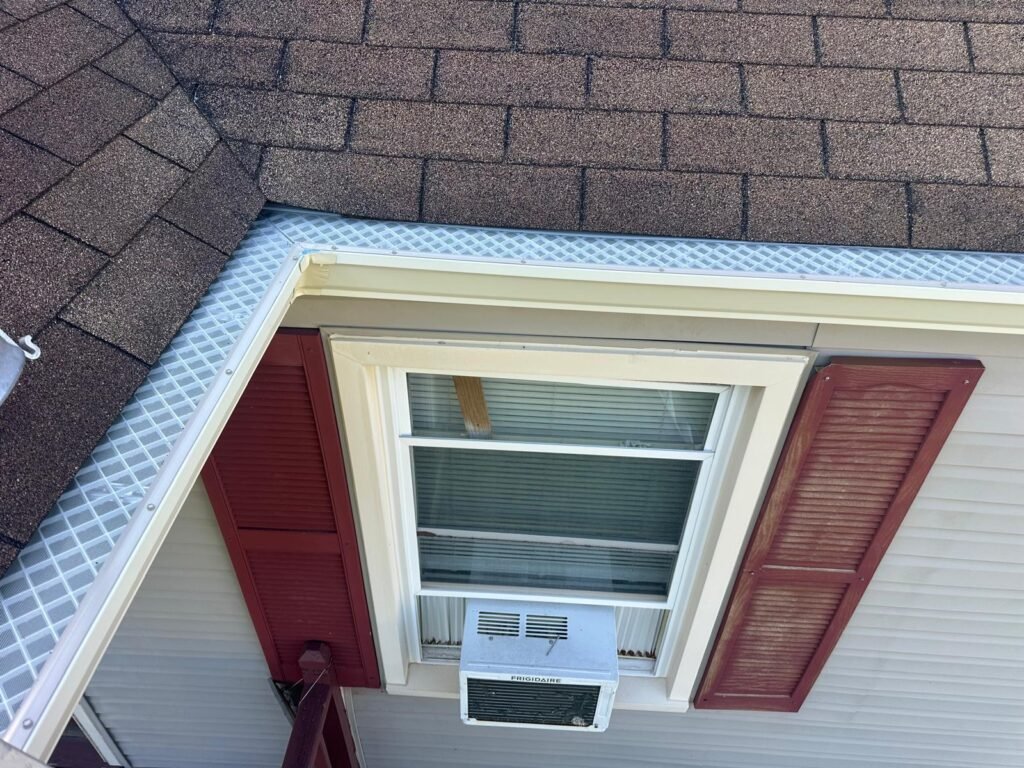
After: clean gutter with micro-mesh guard installed
Is Your Home a Good Candidate for Gutter Guards?
Run through this checklist. The more items that apply, the stronger the case for installation:
If three or more of these apply, a free inspection will give you a clear answer. We assess the existing gutter condition, measure linear footage, identify the debris profile from your specific trees, and recommend the appropriate system — or tell you honestly if guards aren’t the right move yet.
Frequently Asked Questions About Gutter Guards
Standard screen guards do not work well on Loblolly Pine needles — the needles thread through the openings and compact inside the trough. Micro-mesh guards with openings under 100 microns block pine needles effectively and are what we install on Hampton Roads properties with pine canopy.
Quality stainless steel micro-mesh guards installed correctly last 20–25 years on Hampton Roads homes. Aluminium frame guards in coastal salt-air environments (Ocean View, East Beach, Virginia Beach oceanfront) should be inspected for bracket corrosion at the 10-year mark.
Yes — quality micro-mesh guards are a recognised home improvement that buyers and inspectors view positively, particularly in tree-heavy Hampton Roads neighbourhoods. The key is professional installation with documented warranty coverage.
On a single-story home with simple rooflines and 5-inch gutters in good condition, DIY installation is feasible. On two-story homes, complex rooflines, or gutters with existing issues, professional installation delivers significantly better long-term performance and avoids the common failure modes described in this article.
Quality micro-mesh guards are rated for rainfall volumes well above Hampton Roads averages. Budget screen guards can be overwhelmed by intense storm events, causing water to sheet over the guard edge rather than entering the trough. This is one of the key reasons we don’t recommend screen guards for coastal Virginia’s tropical storm and nor’easter rainfall events.
On most Hampton Roads homes with micro-mesh guards, one annual inspection and brief flush replaces the 2–4 full cleanings per year that unguarded gutters typically require. Properties directly under dense Loblolly Pine canopy may benefit from a second brief inspection in spring.
Ready to stop guessing?
Find Out If Guards Are Right for Your Home — Free
We assess your gutters, tree coverage, and roofline and give you a straight answer. No pressure, no upsell.
- BBB Accredited
- Fully Insured
- Same-Week Scheduling
Related Reading
Why trust this guide
- 2,000+ gutter projects across Virginia
- BBB Accredited Business
- Fully insured
- Based in Norfolk — we know Hampton Roads
- 5.0★ rated professionals
- 20-year manufacturer warranty