
How Long Do Seamless Gutters Last in Virginia?
Most homeowners don’t think about their gutters—until something goes wrong.
One day, you notice water spilling over the edge during a heavy rain. A few months later, there’s a stain on the siding. Then suddenly, a contractor tells you the wood behind your gutters is rotting. That’s usually when the big question comes up:
“If I replace my gutters, how long will the new ones actually last?”
If you’re considering seamless gutters, the short answer is this:
Seamless aluminum gutters typically last 20–25 years in Virginia when they’re installed correctly and taken care of. In many cases, they last even longer.
But that lifespan isn’t just about the gutter itself. It depends on how it’s installed, the condition of your home, and how Virginia’s weather treats it over time. Let’s break it all down in a way that’s easy to understand.
Why Seamless Gutters Last Longer Than Most People Expect
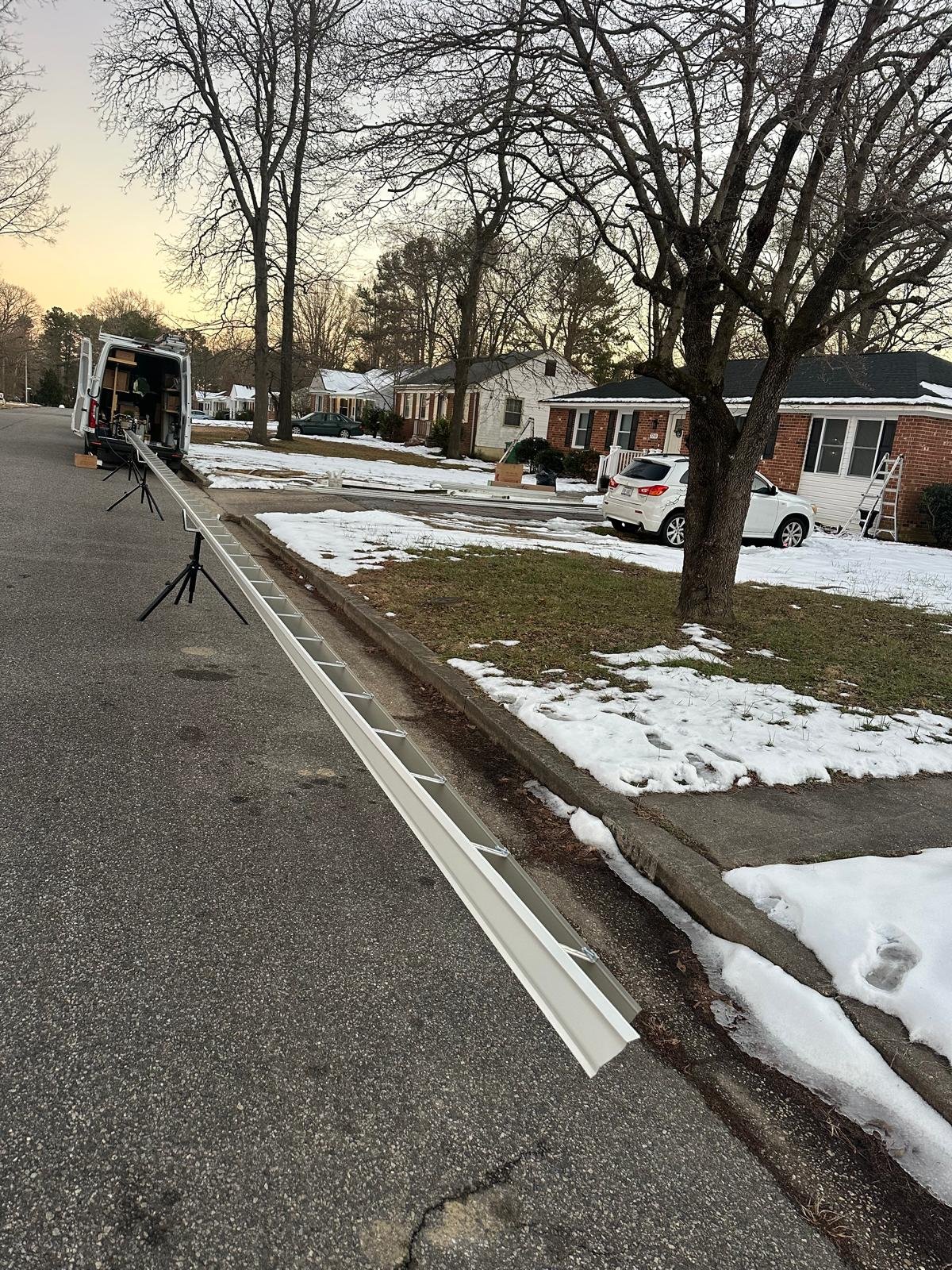
Seamless gutters are different from the old-style sectional gutters many homes still have. Sectional gutters come in small pieces that are joined together. Seamless gutters, on the other hand, are made from one continuous piece of aluminum, custom-shaped to fit your home.
That single difference—no joints along the length of the gutter—plays a huge role in how long they last.
Joints are where problems usually start. They loosen. They collect debris. They leak. Over time, water escapes through those seams and damages the wood behind the gutter. Seamless gutters remove most of those weak points, which is why they hold up so much better over the years.
In Virginia, where rain can be heavy and storms can come fast, that design matters more than people realize.
Here you’ll find everything homeowners need to know about professional gutter services across Hampton Roads, from system design to repairs built for coastal conditions.
What “20–25 Years” Really Means in Real Life
When people hear that seamless gutters last 20–25 years, they sometimes assume that means “install them and forget about them forever.” That’s not exactly how it works.
Think of seamless gutters like a roof or siding. They’re built to last, but they still need the basics done right from the start.
In real-world conditions across Virginia Beach, Norfolk, Chesapeake, and other Hampton Roads areas, well-installed seamless gutters often last two to three times longer than sectional gutters. Many homeowners never need to replace them again while they live in the house.
On the other hand, poorly installed gutters—seamless or not—can fail much sooner. The difference usually comes down to details most homeowners never see from the ground.
The Biggest Factors That Decide How Long Seamless Gutters Last
Several things quietly determine whether your seamless gutters reach that 20–25 year mark or fall short. These aren’t complicated ideas, but they’re often overlooked.
First is proper installation. Seamless gutters must be installed with the correct slope, also called pitch. If the slope is even slightly off, water can sit inside the gutter instead of flowing toward the downspout. Standing water adds weight, attracts debris, and speeds up wear.
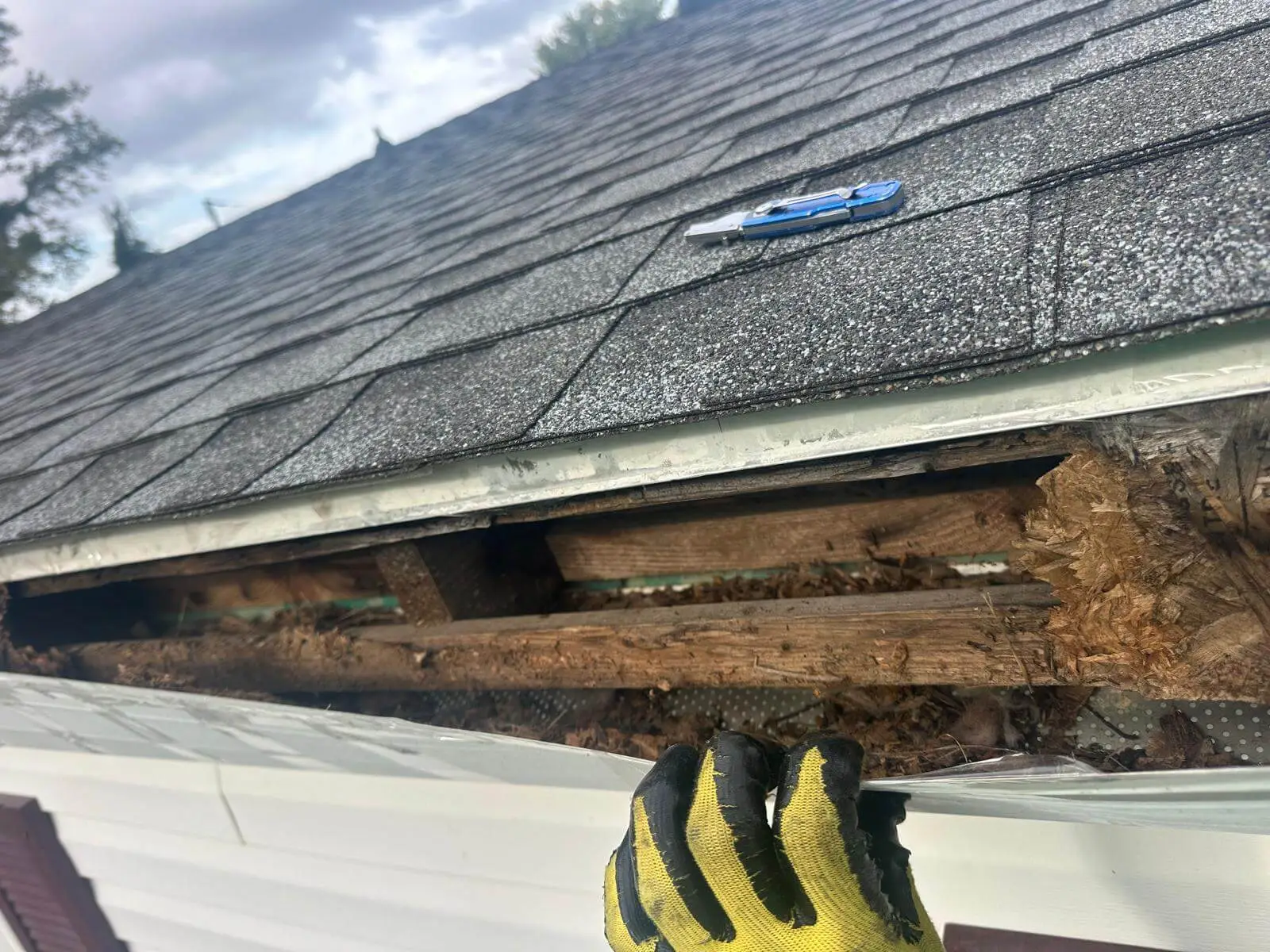
Second is the condition of the fascia, which is the board the gutter is attached to. If gutters are installed on rotting or damaged fascia, they won’t stay secure for long. Over time, the gutter can pull away, sag, or tilt, shortening its lifespan.
Third is material quality. High-quality seamless gutters made from thicker aluminum resist bending, denting, and storm damage far better than thinner options. Stronger material means fewer repairs over time.
Fourth is water flow management. Even the best gutter system can struggle if downspouts clog or water has nowhere to go. When water backs up, it puts stress on the entire system.
And finally, there’s maintenance and protection, which doesn’t have to mean constant cleaning. Simple steps—or adding guards—can make a big difference over decades.
How Virginia’s Climate Affects Gutter Lifespan
Virginia is tough on gutters.
The state sees heavy rainfall, sudden downpours, high humidity, and strong coastal storms—especially in Hampton Roads. Add pine needles, leaves, and wind-blown debris, and gutters are constantly under pressure.
Humidity keeps moisture around longer, which means wet debris doesn’t dry out quickly. That leads to buildup and clogs if the system isn’t designed well. Storms push debris into gutters at angles that homeowners don’t expect. Over time, all of this can shorten the life of poorly designed systems.
Seamless gutters handle these conditions better because water flows more smoothly and debris has fewer places to get stuck. That’s why they tend to last much longer in Virginia than sectional systems.
Seamless Gutters vs. Sectional Gutters: A Big Difference in Lifespan
Here’s the one list in this article, because it’s worth making the comparison clear:
Seamless aluminum gutters: usually last 20–25 years
Sectional gutters: often last 5–10 years, sometimes less in Virginia
The reason isn’t complicated. Sectional gutters have many seams. Every seam is a future problem spot. Over time, those joints loosen, leak, and trap debris. Water escapes, wood gets wet, and repairs start adding up.
Seamless gutters don’t eliminate every possible issue, but they remove most of the common causes of early failure.
If you’re deciding between different gutter types, our comparison of Seamless gutters vs sectional gutters explains why design matters so much in Virginia’s climate.
The Role of Downspouts in Gutter Longevity
One thing many homeowners don’t realize is that gutters often fail because of downspout problems, not gutter problems.
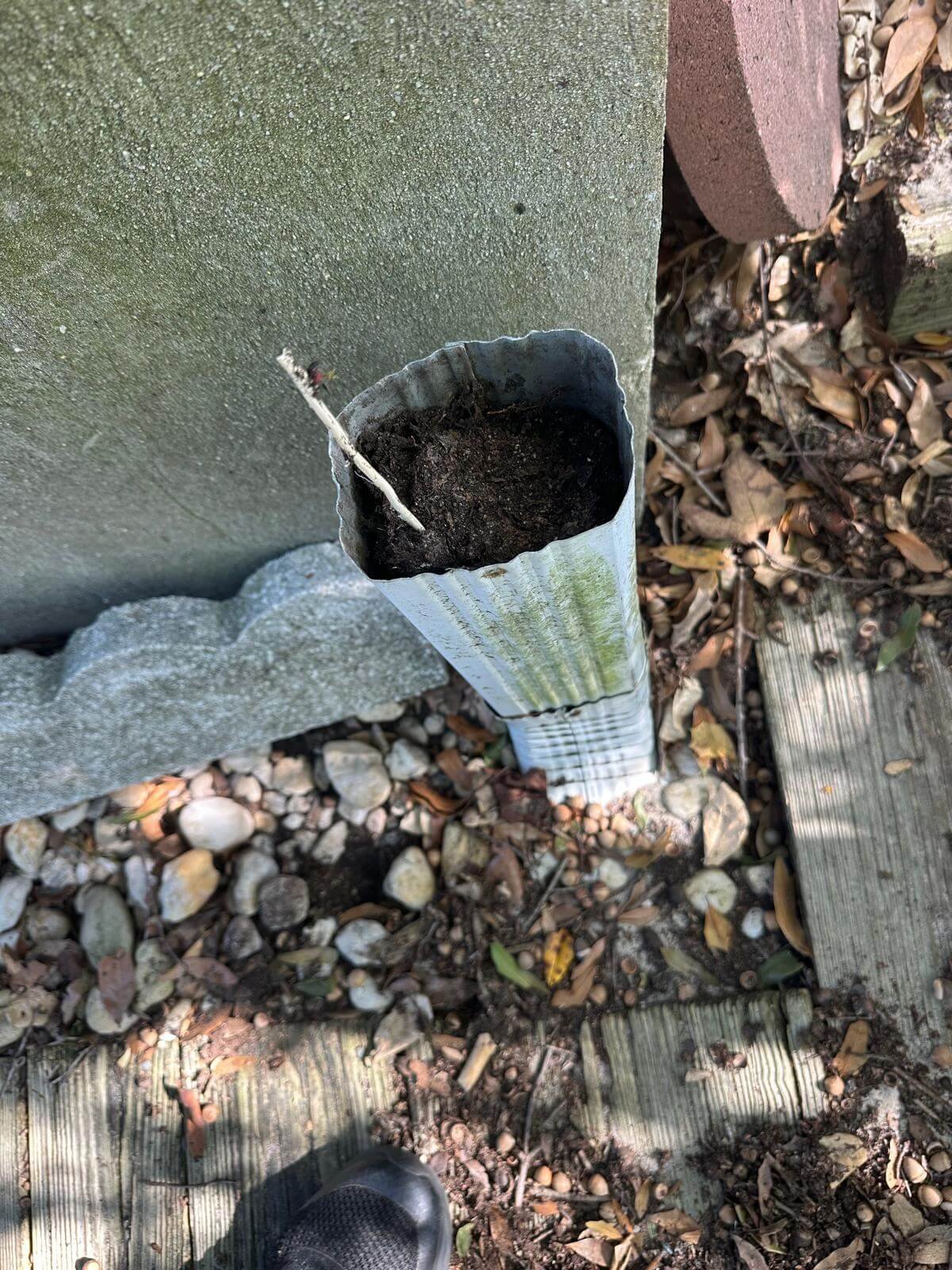
If downspouts clog, water has nowhere to go. It backs up into the gutter, spills over the edge, or even flows backward. That extra water weight puts stress on the gutter system and the fascia behind it.
Over time, this can cause sagging, separation, or hidden water damage. Seamless gutters last longer when downspouts are kept clear and sized correctly for the amount of water your roof collects.
Do Gutter Guards Help Seamless Gutters Last Longer?
Yes—especially in Virginia.
Gutter guards or filters don’t make seamless gutters indestructible, but they significantly reduce one of the biggest threats: debris buildup. Pine needles, leaves, seed pods, and small twigs are common causes of clogs in this region.
When guards are added, gutters stay cleaner, water flows better, and the system experiences less stress during storms. That means fewer repairs and a longer overall lifespan.
Many homeowners find that seamless gutters with guards require very little maintenance compared to traditional systems.
Infact, clogs are one of the fastest ways to shorten gutter lifespan, which is why learning how to prevent clogged gutters is just as important as choosing the right system.
Can Seamless Gutters Be Repaired If Something Goes Wrong?
They can—but repairs are less common.
Because seamless gutters are one continuous piece, you don’t usually see leaks along the run. When issues do happen, they’re often related to slope adjustments, loose hangers, storm damage, or clogged downspouts.
In cases where a section is badly damaged, that portion may need to be replaced. Still, repairs are generally fewer and simpler than with sectional gutters, which often need repeated seam sealing.
How Homeowners Accidentally Shorten Gutter Lifespan
Most early gutter failures aren’t caused by the product itself. They’re caused by small things being ignored over time.
Overflowing gutters that are never inspected, clogged downspouts left unattended, or gutters installed over damaged fascia can all reduce lifespan. Even seamless gutters need basic attention—especially after major storms.
Many of these problems can actually be prevented right from the start by selecting the right installer—one who inspects fascia, sets proper slope, and designs the system correctly. If you’re unsure what to look for, this guide on How to choose the right gutter installation contractor in Hampton Roads breaks it down clearly and helps homeowners avoid these costly mistakes.
The good news is that preventing these issues doesn’t require constant work. It mostly comes down to proper installation and occasional checks, not frequent repairs.
So… How Long Do Seamless Gutters Really Last in Virginia?
For most homes in Virginia, seamless aluminum gutters last 20–25 years, and often longer when installed correctly and protected from heavy debris buildup.
They last longer because they leak less. They fail less often. And they handle Virginia’s weather better than traditional sectional systems.
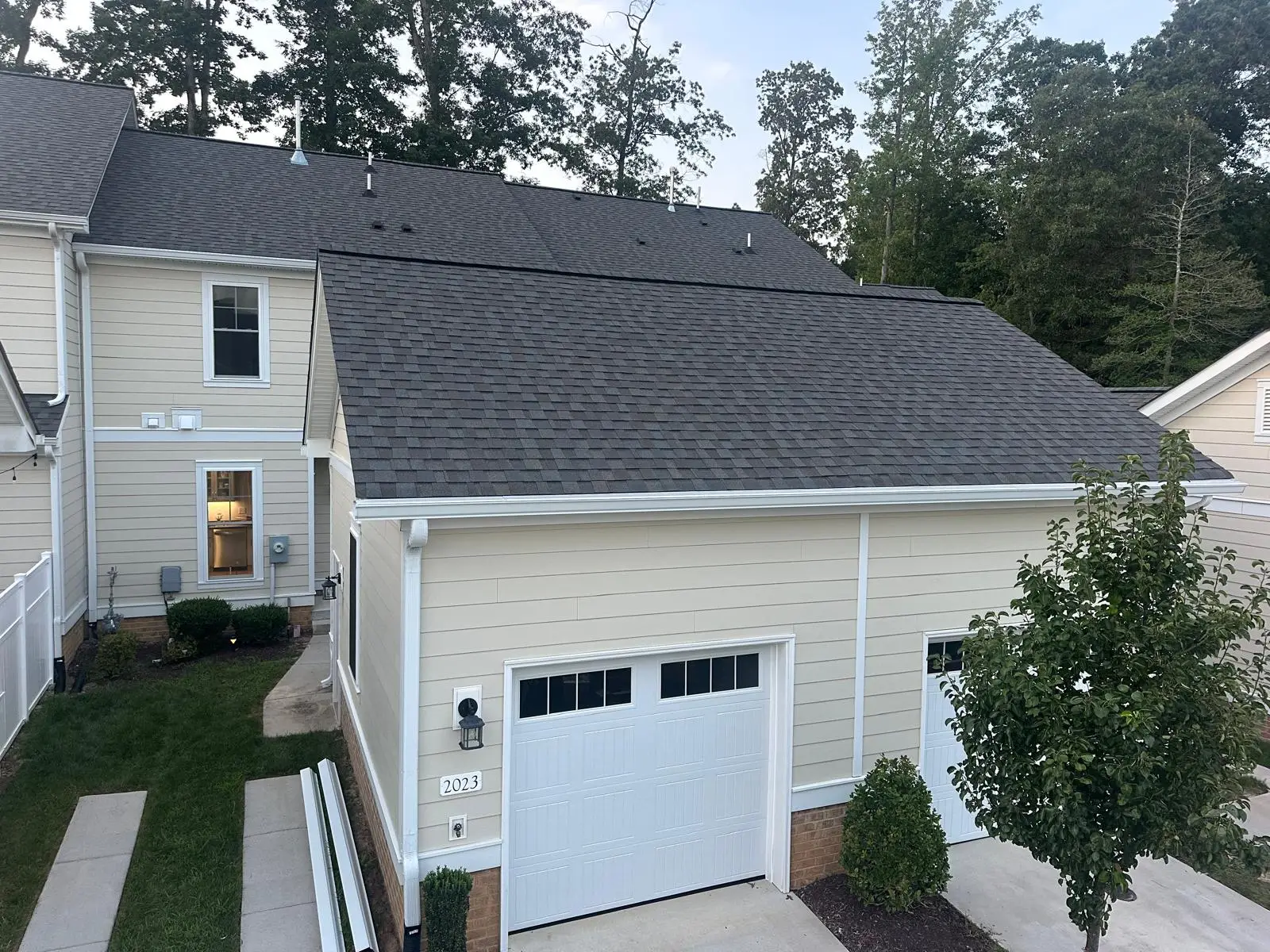
If you’re replacing old gutters, seamless systems aren’t just an upgrade—they’re a long-term solution that reduces future problems and protects your home for decades.
And for homeowners who’d rather fix the problem once instead of every few years, that longevity makes all the difference.
And, if you’re wondering whether the investment makes sense long term, this guide on the Cost of seamless gutters in Virginia breaks it down clearly.
Frequently Asked Questions
Seamless aluminum gutters typically last 20–25 years in Virginia when installed correctly and maintained. They last longer than sectional gutters because they have fewer leak points and handle heavy rain better.
Yes. Seamless gutters usually last two to three times longer than sectional gutters. Sectional systems fail sooner due to leaking joints and debris buildup.
Poor installation, incorrect slope, clogged downspouts, damaged fascia boards, and constant debris buildup can shorten the lifespan of seamless gutters.
Yes. Gutter guards reduce debris buildup, prevent clogs, and help seamless gutters last longer—especially in pine-heavy and storm-prone areas like Virginia.