
Why Preventing Clogged Gutters Matters
When you live in Virginia Beach, Chesapeake, Norfolk, Suffolk, Newport News, Williamsburg, or Carrollton, clogged gutters become a common issue — especially with heavy rainfall, coastal storms, pine needles, and wind-blown debris.
With over 10 years of hands-on gutter installation experience, we’ve seen how a small blockage can turn into serious home damage.
Clogged gutters don’t just overflow — they crack, leak, sag, destroy fascia, and even cause foundation damage.
Regular maintenance and the right gutter system can prevent these problems entirely.
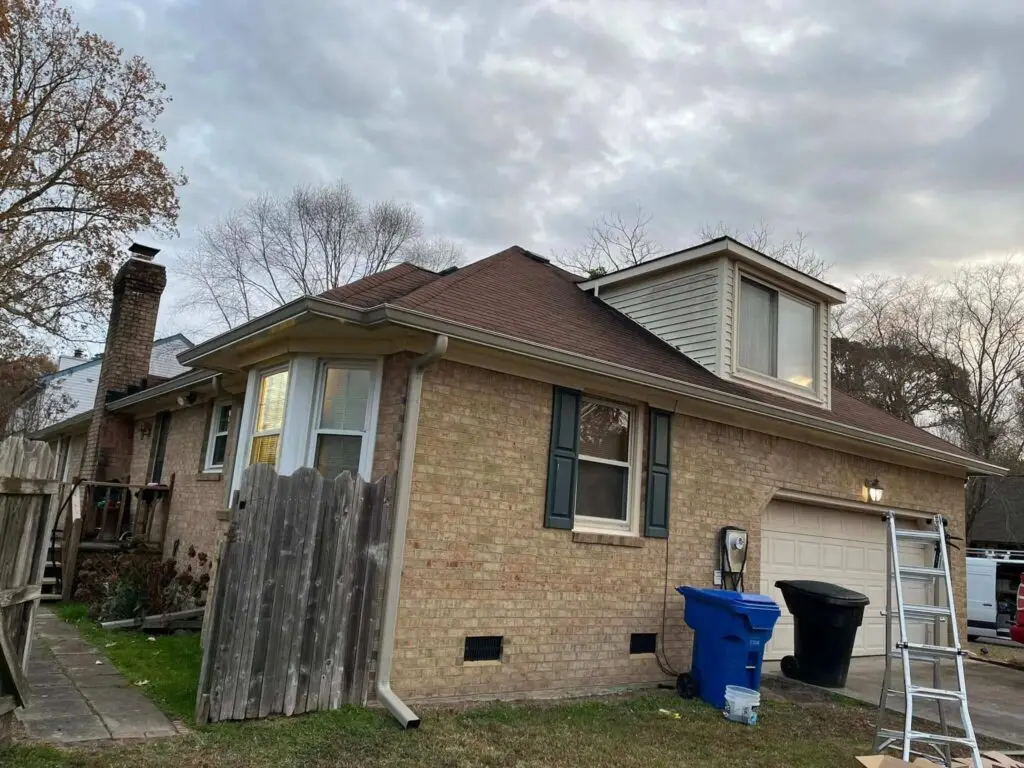
Here Are the Most Effective Ways to Prevent Clogged Gutters
1. Clean Your Gutters at Least Twice a Year
Most clogged gutters happen because homeowners wait too long to clean them.
How often should you clean?
Twice a year (spring + fall)
More if you have pine trees
After major storms
Cleaning prevents:
Overflow
Fascia rot
Soil erosion
Foundation issues
2. Upgrade to Seamless Gutters (Fewer Joints = Fewer Clogs)
The biggest cause of gutter blockages?
Too many joints, too many leaks, too many catch points for debris.
Seamless gutters are built as one continuous piece, which eliminates this issue.
No weak joints where debris collects
Stronger and more durable
Handle heavy coastal rainfall
Low maintenance
Last 20–25 years
We custom-extrude seamless gutters on-site to ensure proper slope and perfect fit.
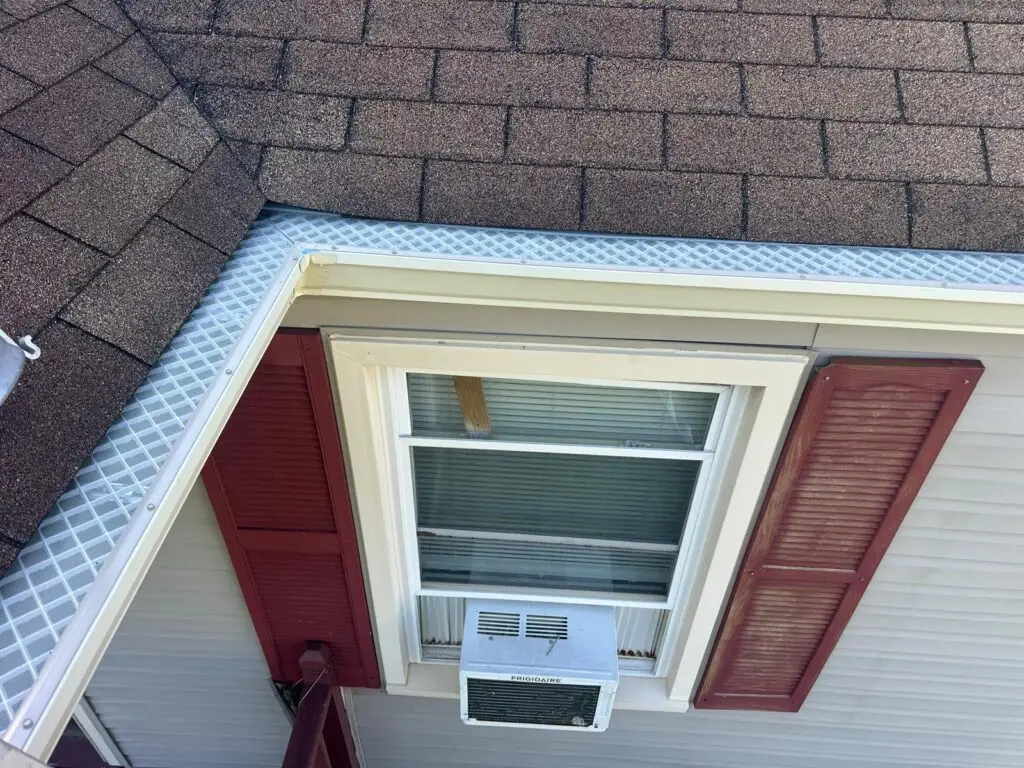
3. Add Gutter Guards or Filters
If you’re tired of seasonal cleanings, gutter guards are the best long-term solution.
Pine needles
Leaves
Twigs
Seed pods
Storm debris
Benefits of installing guards for rain gutters
Less clogging
Better water flow
Less maintenance
Longer gutter lifespan
4. Check Your Gutter Slope (Pitch)
Improper slope prevents water from flowing to the downspouts.
The Effects of a wrong gutter slope
Standing water
Overflow
Sediment buildup
Sagging
Faster clogging
Rotting fascia
When we inspect homeowner gutters, slope is one of the first things we check.
5. Upgrade to Larger Gutters & Downspouts
Many homes in Hampton Roads need bigger systems due to heavy rainfall.
Lorem ipsum dolor sit amet, consectetur adipiscing elit. Ut elit tellus, luctus nec ullamcorper mattis, pulvinar dapibus leo.
Recommended gutter sizes
6-inch gutters
3×4 downspouts
Larger gutters ensure
Move more water
Reduce clogging
Prevent overflow
Improve drainage
Perfect for larger homes and high-rainfall areas.
6. Trim Trees Near Your Roof
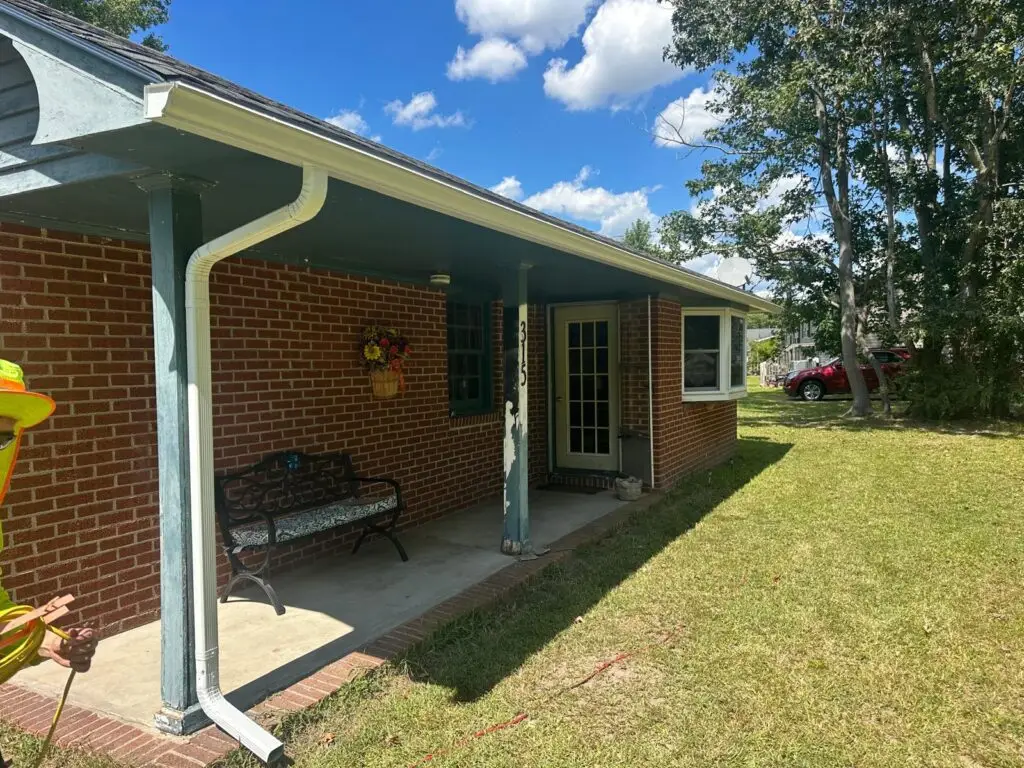
Trim branches at least 6–10 feet away from your roofline.
This reduces debris buildup by nearly 40%, especially in pine-heavy areas like Suffolk and Williamsburg.
7. Inspect After Every Major Storm
Storms are a major cause of sudden clogs.
After every storm check for:
Roof debris
Loose brackets
Overflow stains
Blocked downspouts
Sagging areas
A quick inspection prevents long-term damage.
8. Replace Old or Damaged Gutters Before They Fail
If your gutters show:
Rust
Leaks
Sagging
Joint separation
Cracks
Water stains
Fascia rot
…it’s time for replacement.
Clogged gutters often break open at the seams, causing hidden wood damage behind the system.
Real Case Studies From Hampton Roads
1. Virginia Beach Home With Constant Overflow
This homeowner struggled with overflow during every storm. Despite multiple cleanings, the issue continued.
Problem:
Eight gutter joints across the back wall — each one collecting debris and slowing water flow.
Solution:
Installed a single seamless gutter, corrected the slope, and improved downspout flow.
Result:
No overflow, cleaner siding, and dramatically reduced maintenance.
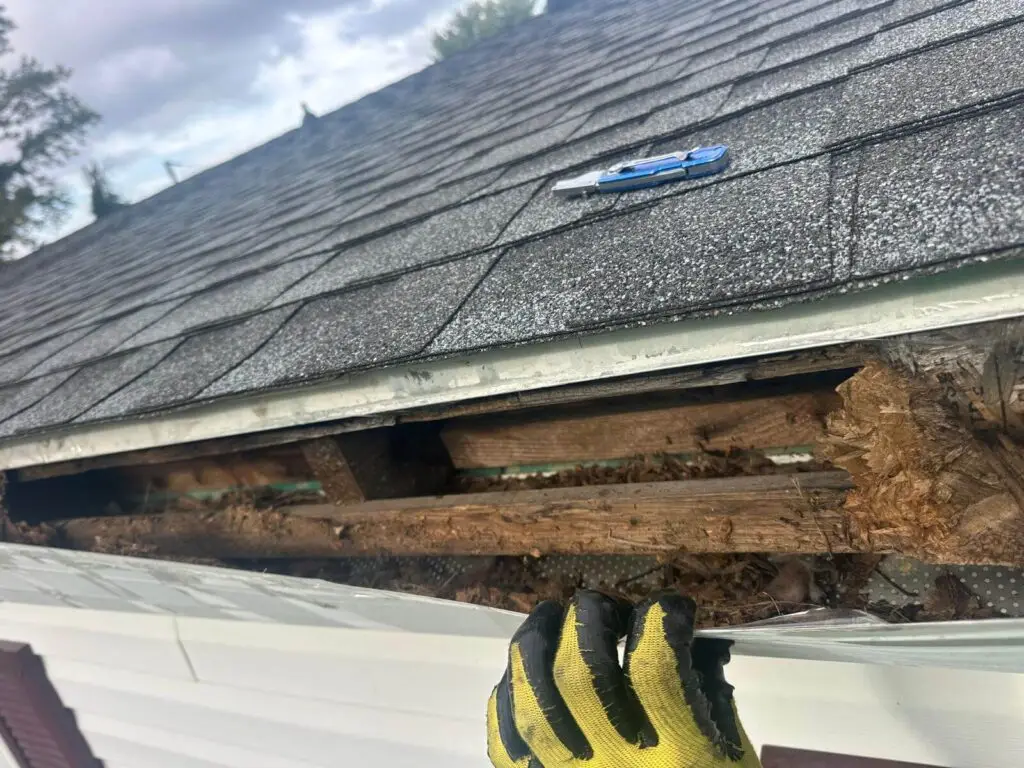
2. Norfolk Home With Hidden Fascia Rot
A homeowner noticed discoloration behind the gutter system.
Problem:
Standing water in clogged gutters caused the fascia board to rot, and the gutters began pulling away.
Solution:
Replaced fascia, installed seamless aluminum gutters with micro-mesh guards.
Result:
Smooth drainage, no leaks, minimal maintenance.
3. Williamsburg Home With Basement Flooding
This home had pooling water near the foundation during every heavy rain.
Problem:
Small 2×3 downspouts couldn’t keep up. They clogged, backed up, and forced water toward the foundation.
Solution:
Upgraded to 3×4 downspouts and installed guards suitable for oak leaves.
Result:
Foundational moisture issues stopped and drainage improved immediately.
Quick Checklist: How to Prevent Clogged Gutters
Clean gutters twice a year
Install seamless gutters
Add gutter guards
Check gutter slope
Upgrade downspouts
Trim trees regularly
Inspect after storms
Replace old or damaged gutters
FAQs About Clogged Gutters
Leaves, pine needles, storm debris, roof grit, and small twigs are the most common culprits — especially in Hampton Roads.
They have no joints, which eliminates debris-catching points and keeps water flowing smoothly.
They significantly reduce clogs but still require light yearly maintenance.
Look for sagging, leaks, cracks, rust, or water marks on siding and fascia.
You risk fascia rot, foundation issues, siding damage, and basement moisture problems.
Final Thoughts
Preventing clogged gutters is simple if you use the right system and maintain it regularly.
For Hampton Roads homes, the best long-term defense is:
✔ Seamless gutters
✔ Guards
✔ Proper slope
✔ Larger downspouts
✔ Seasonal cleaning
These steps keep your gutters flowing and your home protected.
Get a Free Gutter Inspection
If your gutters are clogged or overflowing, we’ll inspect your system for free and recommend the best solution.
Your home deserves strong, clean gutters all year.