
How Much Do Seamless Gutters Cost in Virginia? (2026 Homeowner Guide)
If you’re trying to figure out how much seamless gutters cost in Virginia, you’re doing the right thing. Gutters may not be exciting, but they protect your home from thousands of dollars in water damage.
Whether you live in Virginia Beach, Chesapeake, Norfolk, Suffolk, Newport News, Williamsburg, Carrollton, Hampton, Yorktown, Smithfield, Poquoson, or Portsmouth, this guide explains gutter pricing in simple, clear language.
Let’s break it down step by step.
What’s the Average Cost of Seamless Gutters in Virginia?
In 2026, most homeowners in Virginia pay $10–$18 per linear foot for seamless aluminum gutters. This is the standard range for both replacements and new installations.
Seamless gutters cost a little more than sectional gutters, but they last longer, handle heavy rain better, and need less maintenance. That’s why most homeowners see them as a smarter, long-term investment.
Here’s what the exact price depends on:
- Gutter size (5-inch or 6-inch)
- Linear footage around your roof
- Number of floors your home has
- Roof complexity and accessibility
- Fascia board condition
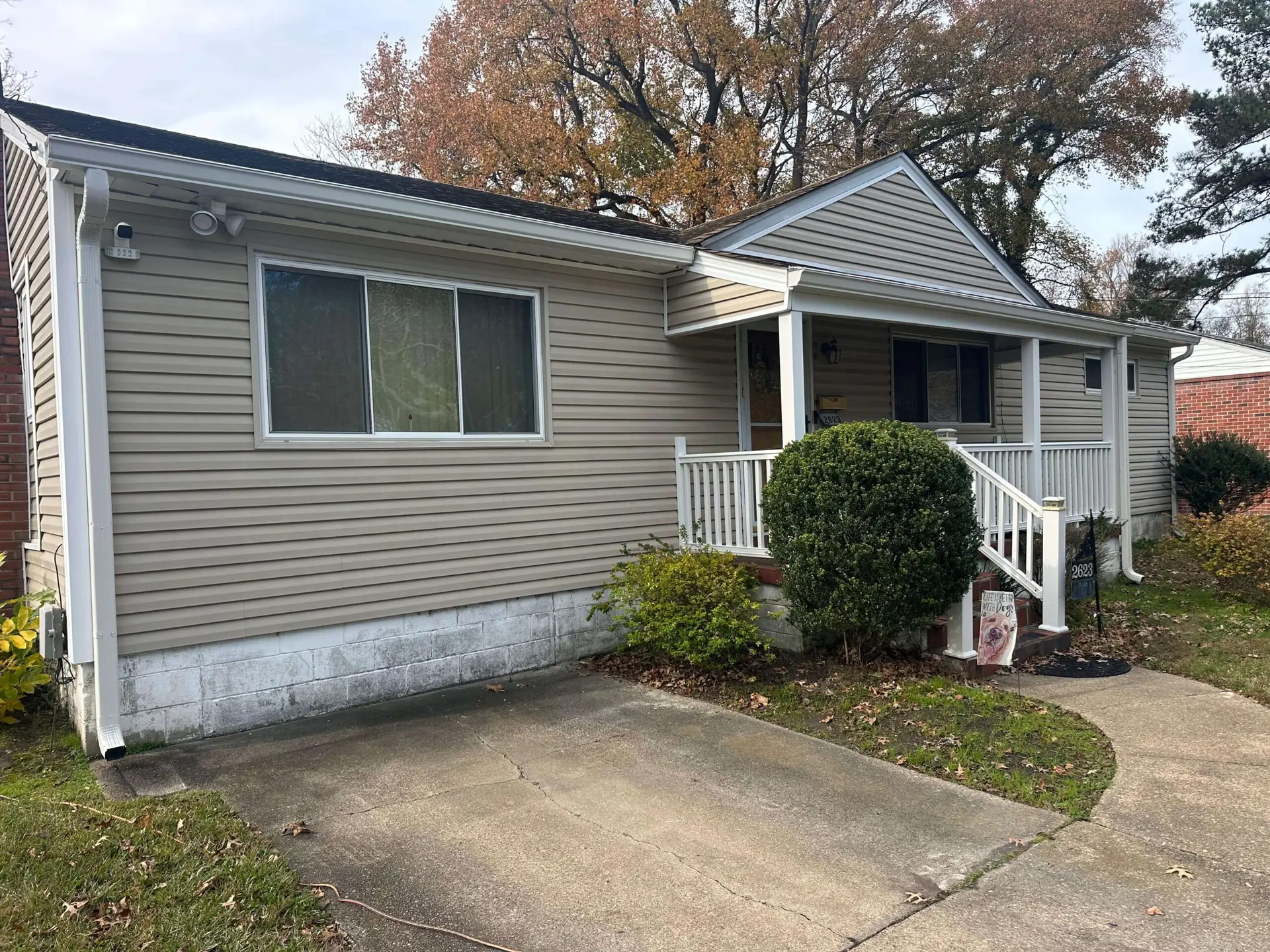
5-Inch vs. 6-Inch Seamless Gutters (Virginia Pricing)
The size of the gutter makes a noticeable difference in cost and performance.
Most homes in Virginia can use 5-inch gutters, these work well for standard rainfall and single-story homes.
5-inch seamless gutters: Start at $10 per foot
But if you live in an area with heavy storms — especially near the coast — 6-inch gutters are a better choice. They carry more water, help prevent overflow and protect your fascia and foundation during heavy rain.
6-inch seamless gutters (recommended for heavy rain): Start at $12 per foot
these are extremely popular in coastal Virginia because they handle big storms and heavy rainfall better.
Extra Cost for Multi-Story Homes
Homes with two or three floors take more time, more crew members, and more safety equipment to work on. Because of this, there is an extra charge for installing gutters at higher levels.
This additional cost helps cover the labor and safety measures needed to work safely at elevated heights.
Add $2–$4 per foot for every additional floor
Example:
- First floor: $10/ft (5-inch) or $12/ft (6-inch)
- Second floor: +$2–$4/ft
- Third floor: +$4–$8/ft
If you live in a two-story or three-story home in Norfolk, Chesapeake, or Williamsburg, this applies to you.
Cost Breakdown by Home Size
Most Virginia homes fall into these ranges:
| Home Type | Typical Footage | 5-inch Cost | 6-inch Cost |
|---|---|---|---|
| Townhomes (1 floor) | 120–180 ft | $1,200–$2,160 | $1,440–$2,520 |
| Small Homes (1–2 floors) | 180–260 ft | $1,800–$2,600 | $2,160–$3,120 |
| Medium Homes (2 floors) | 250–350 ft | $2,500–$3,500 | $3,000–$4,200 |
| Large Homes (2–3 floors) | 350–500+ ft | $3,500–$6,000+ | $4,200–$7,500+ |
If you’re replacing old gutters, expect: $500–$2,800 total depending on home condition
What Affects the Cost of Seamless Gutters in Virginia?
Here are the biggest reasons your price may go up or down:
1. Linear Footage of Your Roofline
More footage means more material and more installation time. A smaller home in Chesapeake might need around 180–200 ft, while a larger home in Williamsburg or Newport News may need 350–450 ft or more. The total length of your roofline is always one of the main cost factors.
2. Roof Pitch and Complexity
Steep roofs or multiple roof angles require more careful handling and take longer to install. Each tricky section adds a bit more time, which slightly increases the cost. Homes with many roof valleys or unusual shapes tend to fall on the higher end of the pricing range.
3. Number of Floors (Height)
The higher the installation, the more safety precautions the crew needs to take. Working on second- and third-story gutters requires tall ladders, stabilizers, and often multiple crew members guiding the installation from different levels. This is why there’s an added cost of $2–$4 per foot for each additional floor.
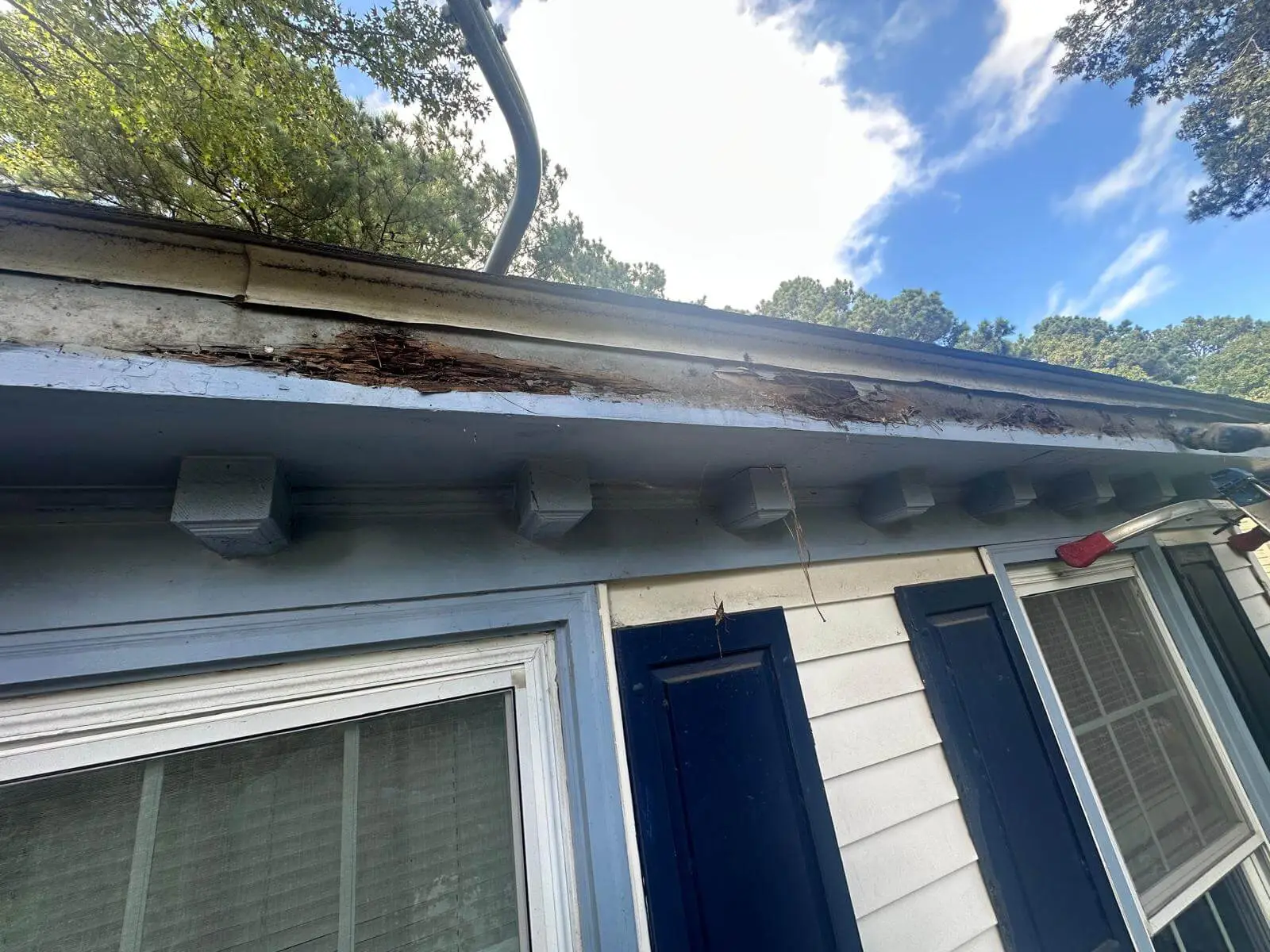
4. Fascia Board Condition
Gutters attach directly to the fascia, so if it’s rotted or pulling away, it must be repaired before new gutters can be installed. Homes with old, clogged gutters or years of overflow often have hidden fascia damage. Fixing this early prevents bigger problems in the future.
5. Accessibility
Some homes are simply harder to work on. Tight spaces, sloped yards, fences, or tall landscaping can all slow down the installation process. If special tools or ladder setups are needed, the cost may rise slightly to cover labor time.
Why Seamless Gutters Are Worth It
Seamless gutters are made from one continuous piece of aluminum, shaped and cut right at your home. Because there are no seams along the main runs, there are fewer weak points, fewer leaks, and fewer places for debris to build up.
They are:
✔ Strong
✔ Custom-fitted
✔ Low-maintenance
✔ Long-lasting (20–25 years)
✔ More reliable during storms
✔ Better looking on your home
✔ Great for Virginia’s weather
Most homeowners choose seamless gutters for the long-term value. They simply perform better and save more money over the years.
How Much Do Downspouts and Extra Parts Cost?
Not every cost comes from the gutter runs. Here’s what the smaller parts usually cost:
Downspouts: usually start from $60 each
End caps, elbows, hangers: usually $5–$10 each
Splash blocks or extensions: optional $10–$25 each
These parts help guide the water away from your foundation—very important in areas with heavy rainfall.
How Much Do Gutter Guards Cost in Virginia?
If you want fewer cleanings and better protection against debris, gutter guards are a smart add-on. Most homes benefit from micro-mesh guards, especially in tree-heavy areas like Suffolk or Yorktown.
Gutter guards start at $5 per foot
Benefits of gutter guards:
Reduce clogging
Lower cleaning costs
Improve water flow
Protect gutters in storms
Extend gutter lifespan
They’re optional, but they save a lot of time and frustration.
How Many Feet of Gutters Does a Home Need?
On average:
Townhome: 120–180 ft
Small home: 180–260 ft
Medium home: 250–350 ft
Large home: 350–500+ ft
Your exact number depends on your roofline, which we measure during a free inspection.
Why Replacing Old Gutters Matters
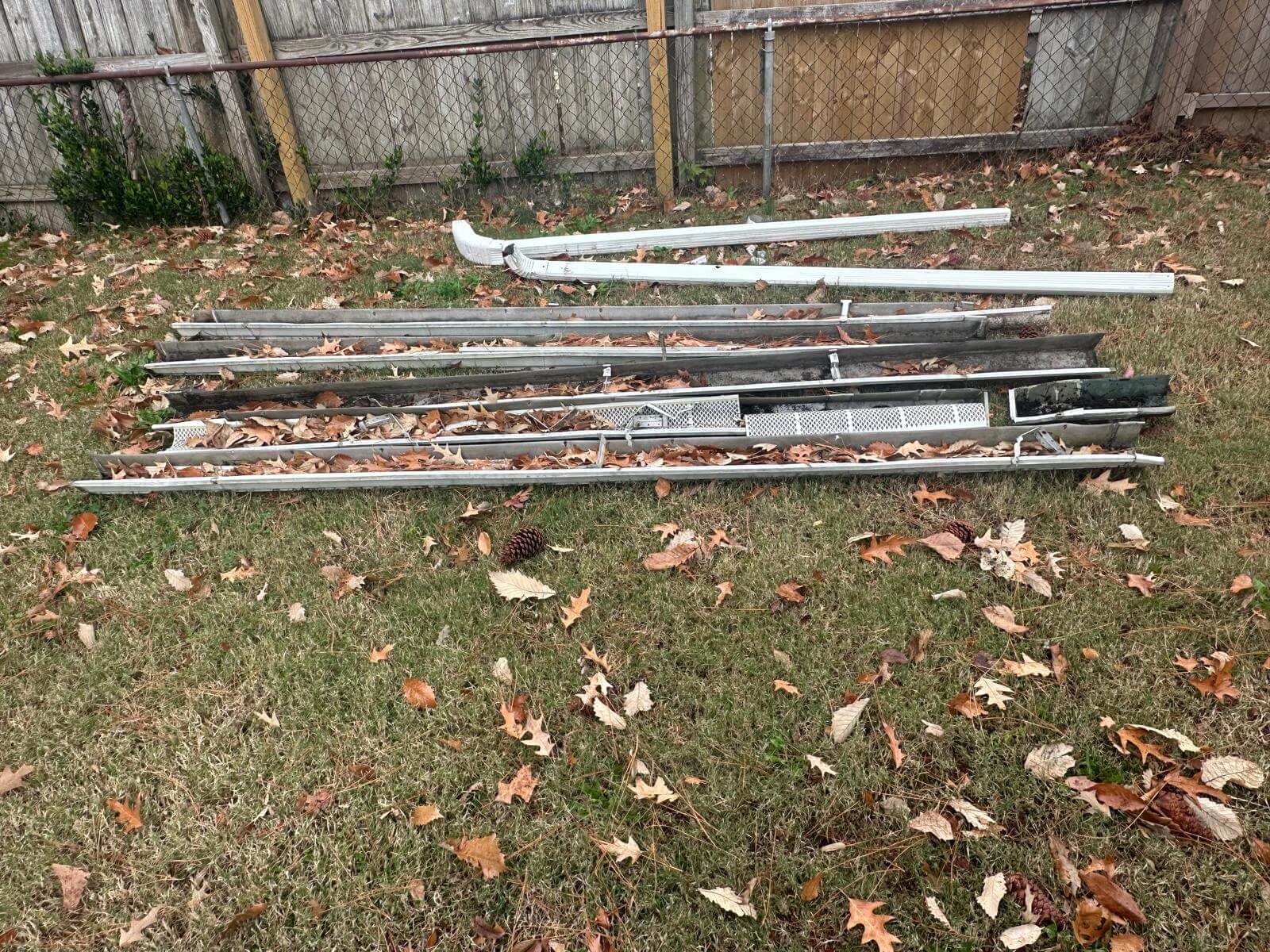
Old or poorly installed gutters can cause serious problems. Overflow leads to fascia rot, stains on your siding, and even foundation issues. Water that isn’t properly drained can also seep into basements and crawl spaces.
Fixing these issues early saves money in the long run. New seamless gutters protect your home and prevent these headaches before they start.
Gutter Cleaning Costs in Virginia
Cleaning costs vary depending on height and amount of debris:
1-story homes: $100–$150
2-story homes: $150–$250
Heavy pine needle areas: slightly higher
Adding guards cuts down on how often your gutters need cleaning.
How to Choose a Gutter Contractor in Virginia
A good gutter installer will:
- Specialize in seamless gutters
- Measure your home properly
- Inspect fascia before installing
- Offer clear pricing
- Use quality aluminum
- Show past project photos
- Work cleanly and safely
Choosing the right installer makes a big difference in how long your gutters last.
Ready to Replace Your Gutters?
…you can book a free gutter replacement estimate anytime.
Frequently Asked Questions
In Virginia, seamless aluminum gutters usually cost $10–$18 per linear foot. The final price depends on gutter size (5-inch or 6-inch), roof complexity, and the number of floors your home has.
5-inch gutters work well for most standard homes and start at $10 per foot.
6-inch gutters carry much more water, making them ideal for heavy rainfall areas like Virginia Beach and Chesapeake. They start at $12 per foot.
Very little. You still need to keep them clean, but the lack of seams means fewer chances for leaks and clogs. Adding gutter guards reduces maintenance even more.
With basic maintenance, seamless aluminum gutters last 20–25 years. Homes in heavy-rain areas may benefit from upgrading to 6-inch gutters for longer durability.
Yes. New gutters improve curb appeal, prevent water damage, and make the home more attractive during inspections. They also help avoid costly repairs to siding, fascia, and foundations.
Also read...
2 Responses