
How to Choose the Right Gutter Installation Contractor in Hampton Roads, Virginia (2025 Guide)
Choosing a gutter installation contractor in Hampton Roads may seem simple, but it’s a decision that affects your home for decades. With the region’s heavy rainfall, storms, humidity, and dense tree cover, the quality of your gutter system — and the contractor who installs it — directly impacts your home’s siding, foundation, fascia, and roof.
The truth is simple:
The right contractor will protect your home for 20+ years… while the wrong one can lead to leaks, rot, overflow, and costly repairs within a season.
This guide explains exactly what to look for, what to avoid, and how to confidently choose a contractor you can trust in Hampton Roads.
For a deeper look at the cost side, you can also read our guide on
[How Much Do Seamless Gutters Cost in Virginia?]
Why Choosing the Right Gutter Installer Matters in Hampton Roads
Hampton Roads homeowners deal with unique weather conditions, including:
 Heavy rainfall and flash storms
Coastal winds from the Atlantic
Salt-rich air near the water
Pine needles and leaves
High humidity leading to fascia rot
These environmental factors put extreme pressure on gutters, making proper installation essential.
A good installation determines:
How well your gutters handle storms Whether they overflow or clog How long your fascia boards last How often cleaning or repairs are needed Your home’s long-term value
If your gutters frequently clog or overflow during storms, our guide on
[How to Prevent Clogged Gutters]
The Qualities of a Reliable Gutter Installation Contractor
Below are the traits and standards that separate a trustworthy contractor from one that cuts corners.
1. They Specialize in Seamless Gutters (Not Sectional Systems)
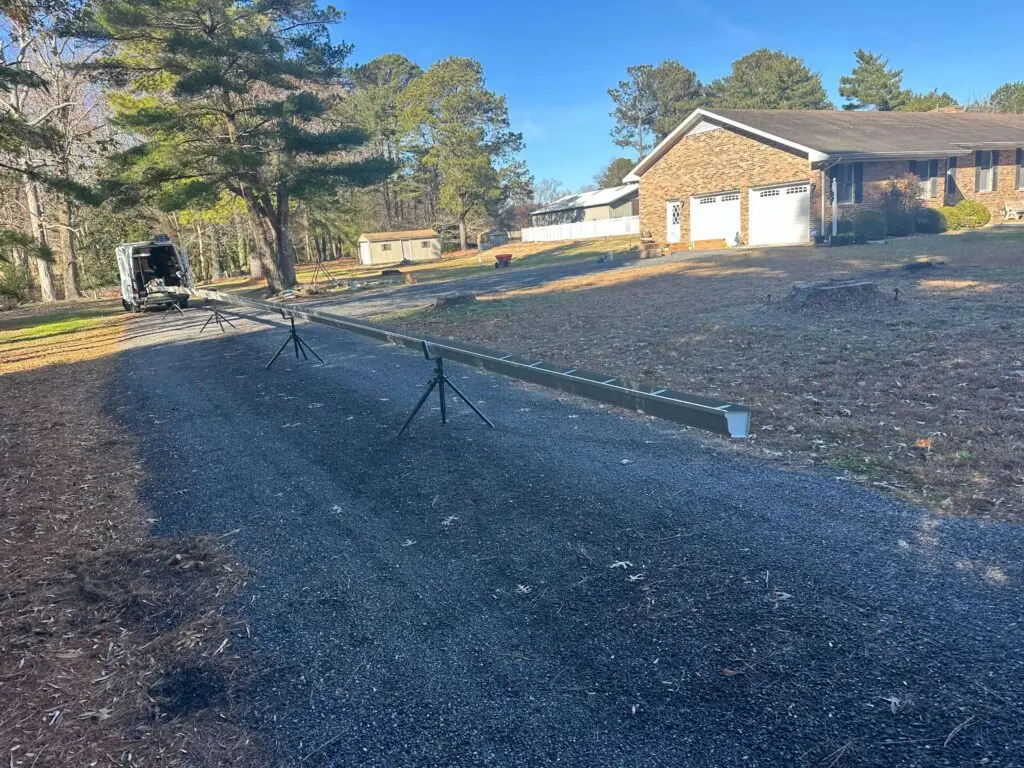
The best contractors recommend seamless gutters, which are custom-made onsite for a perfect fit. Seamless systems:
Have no joints where leaks begin
Handle more water with fewer issues
Are stronger and more durable
Perform better during Hampton Roads storms
Require less maintenance
If a contractor still installs traditional sectional gutters, it’s usually a sign they are not up to modern standards.
2. They Use High-Quality Aluminum (Preferably 0.032 Gauge)
Gutter material thickness matters.
Top gutter installers use 0.032 gauge aluminum, the strongest residential grade. It resists sagging, warping, and wind damage far better than the cheaper 0.027 aluminum used by low-budget contractors.
Thin gutters may save money upfront but often fail quickly, especially in coastal climates.
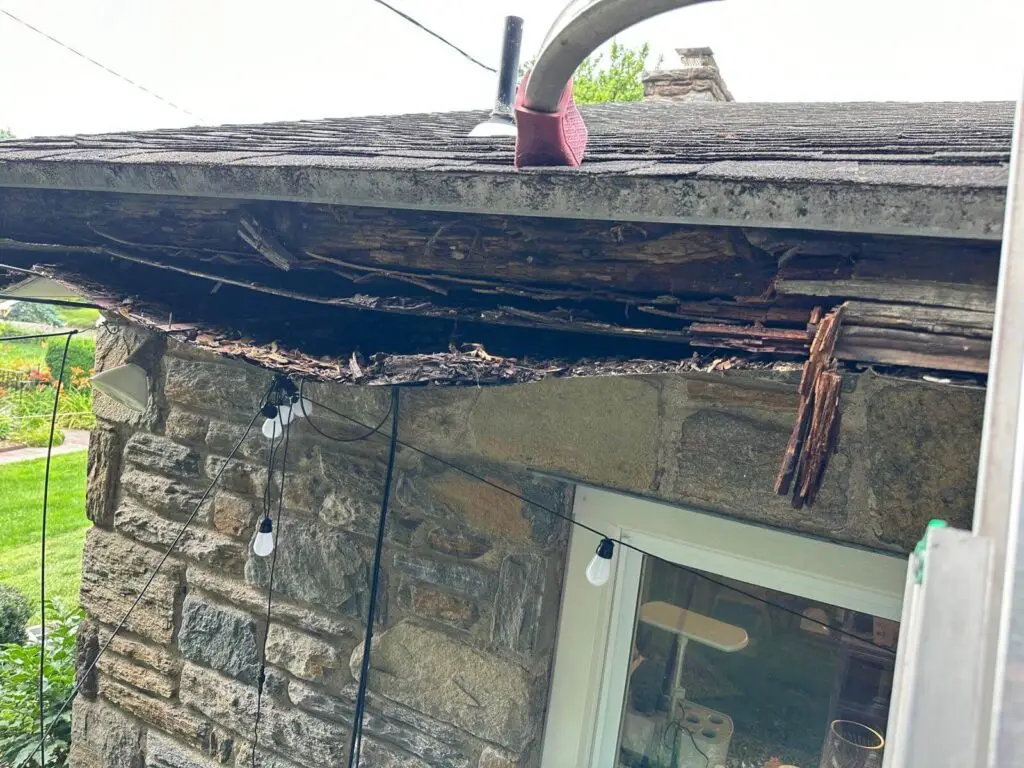
3. They Inspect Fascia, Soffit, and Wood Before Installation
Professional installers always examine the supporting wood structure before installing gutters.
If your fascia is:
Cracked
Rotting
Pulled away
Damaged by squirrels
Soft from moisture
…your new gutters will not hold.
Contractors who skip this step often cause homeowners to experience sagging or falling gutters within months.
4. They Check and Adjust Slope & Pitch
Your gutters need a precise slope to move water properly.
If the slope is wrong, you’ll get:
Standing water
Overflow
Extra weight pulling gutters down
Faster debris buildup
Many low-cost installers skip slope adjustments entirely — a major red flag.
5. They Use Hidden Hangers Instead of Old Spikes
Modern installations use hidden hangers, which are:
Stronger
Cleaner in appearance
More resistant to storms
Less likely to loosen over time
Spikes and ferrules are outdated and often lead to gutters pulling away from the fascia.
6. They Offer a Clear, Strong Warranty
A reputable gutter contractor provides a solid warranty on materials and workmanship.
A transferable warranty is especially valuable because it adds resale value for future homeowners.
If a contractor avoids discussing warranties, that’s a sign their materials or installation methods may not last.
7. They Do Not Use Subcontractors
Contractors who use subcontractors often cannot control installation quality.
Subcontractors may rush the job, overlook details, or skip safety steps because they are paid per project.
A dedicated in-house team typically results in better craftsmanship and consistent quality.
Red Flags to Avoid When Hiring a Gutter Installer
To protect your home and budget, watch out for these warning signs:
1. They Don’t Check for Fascia Damage
If a contractor doesn’t inspect your fascia before giving a quote, consider it a deal-breaker.
Gutters installed on rotted wood will fail — often within months.
2. Extremely Low Prices
Low pricing usually signals:
Thin, cheap aluminum
Inexperienced labor
No warranty
Ignoring slope adjustments
No fascia inspection
A slightly higher investment ensures your gutters last decades, not months.
3. No Photos, Case Studies, or Local Experience
A reliable contractor can show real examples of work performed in Hampton Roads.
Example of a Real Situation Homeowners Encounter (Norfolk, VA):
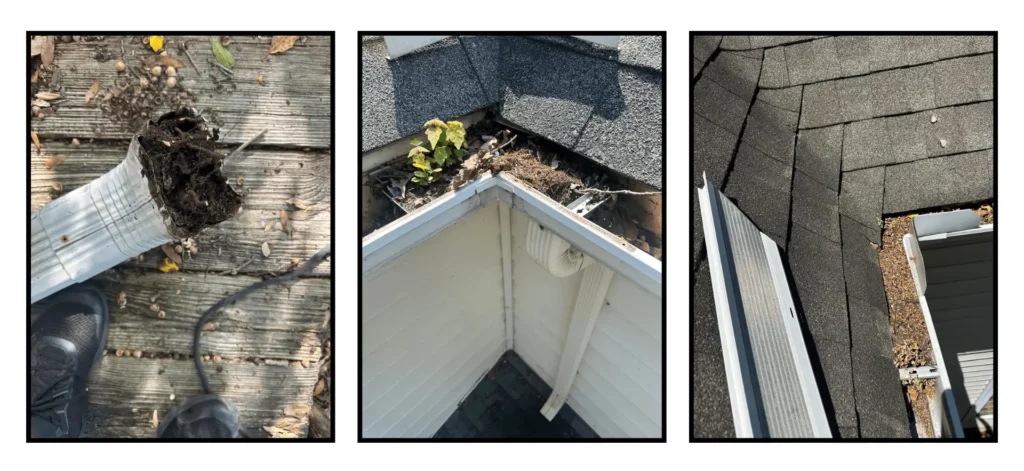
A homeowner in Norfolk was dealing with constant gutter overflow during storms. During inspection, the downspouts were found completely clogged with leaves and packed debris — a result of long gaps between cleanings and no guards and filters in place. The blockage caused water to back up, reverse-flow into the gutter, and spill over the edges causingfascia damage. After clearing the downspouts and installing seamless gutters with guards, the system now drains smoothly even during heavy Norfolk rain.
Questions Every Homeowner Should Ask Before Hiring
Here are practical questions to help you compare contractors fairly (and avoid costly mistakes):
Do you fabricate seamless gutters onsite?
A reputable contractor should fabricate seamless gutters onsite using a portable extrusion machine. This ensures the gutters are cut to the exact length of your home, reducing joints where leaks typically occur.
Why it matters:
Seamless gutters:
Last longer
Leak less
Fit more precisely
Handle heavy Hampton Roads rainfall better
If a contractor brings pre-cut pieces or offers sectional gutters, it’s a sign of outdated practices.
What aluminum thickness do you use?
The ideal thickness for coastal Virginia is 0.032 aluminum. It is stronger, more durable, and more resistant to wind, sagging, and impact compared to thinner 0.027 gutters.
Why it matters:
Thicker aluminum withstands storms better and stays straighter over time. Cheaper installers often use thin material that fails quickly.
Do you inspect fascia and soffit before installation?
A professional installer must check the fascia, soffit, and surrounding wood before installation. Any rot, softness, or pest damage should be repaired first.
Why it matters:
Installing gutters on damaged fascia causes:
Sagging
Pulling away
Water infiltration
Complete gutter failure
Skipping this step is a major red flag.
Will you adjust the slope and pitch during installation?
Yes — proper slope and pitch adjustments are essential. A good contractor sets gutters at the correct angle so water flows toward the downspouts without pooling.
Why it matters:
Incorrect slope leads to:
Standing water
Overflow
Faster clogging
Added weight that pulls gutters from the fascia
This small detail makes a huge difference in long-term performance.
What type of hangers do you use?
A strong gutter warranty should cover materials and workmanship. A transferable warranty adds value if you plan to sell your home.
Why it matters:
A warranty shows the contractor is confident in their installation quality. If a company refuses to offer one, it’s a red flag.
Do you offer both 5-inch and 6-inch gutters?
Contractors should offer both sizes because different homes require different capacities. Many Hampton Roads homes benefit from 6-inch gutters due to heavy rainfall.
Why it matters:
6-inch gutters move more water and prevent overflow, especially on larger roofs or homes surrounded by trees.
Do you install gutter guards or filters?
Gutter guards or filters help prevent clogs from leaves, pine needles, and debris. They reduce maintenance and extend the lifespan of your gutter system.
Why it matters:
Clogged gutters lead to:
Overflow
Fascia damage
Foundation problems
Water backing into the roof
A trustworthy contractor should recommend guards when appropriate.
Do you repair fascia if needed?
The contractor should be able to replace damaged fascia or apply protective fascia wrap before installing new gutters.
Why it matters:
Gutters cannot hold securely on rotten or weakened fascia. If a contractor ignores this, the installation will not last.
Does your company use subcontractors?
Ideally, the contractor should use their own trained staff. Subcontractors may rush work or lack proper training.
Why it matters:
Consistent, in-house installers maintain quality standards and follow proper procedures.
Benefits of Hiring a Local Hampton Roads Contractor
Local contractors understand:
Coastal storms
Salt-rich air
Strong winds and uplift
Tree-heavy neighborhoods
Two- and three-story home challenges
Local home styles and codes
This local weather knowledge ensures homeowners receive gutter systems built specifically for the region — not generic installations that fail in local conditions.
Another Example of a Problem Solved in Hampton Roads
Location: Chesapeake, VA
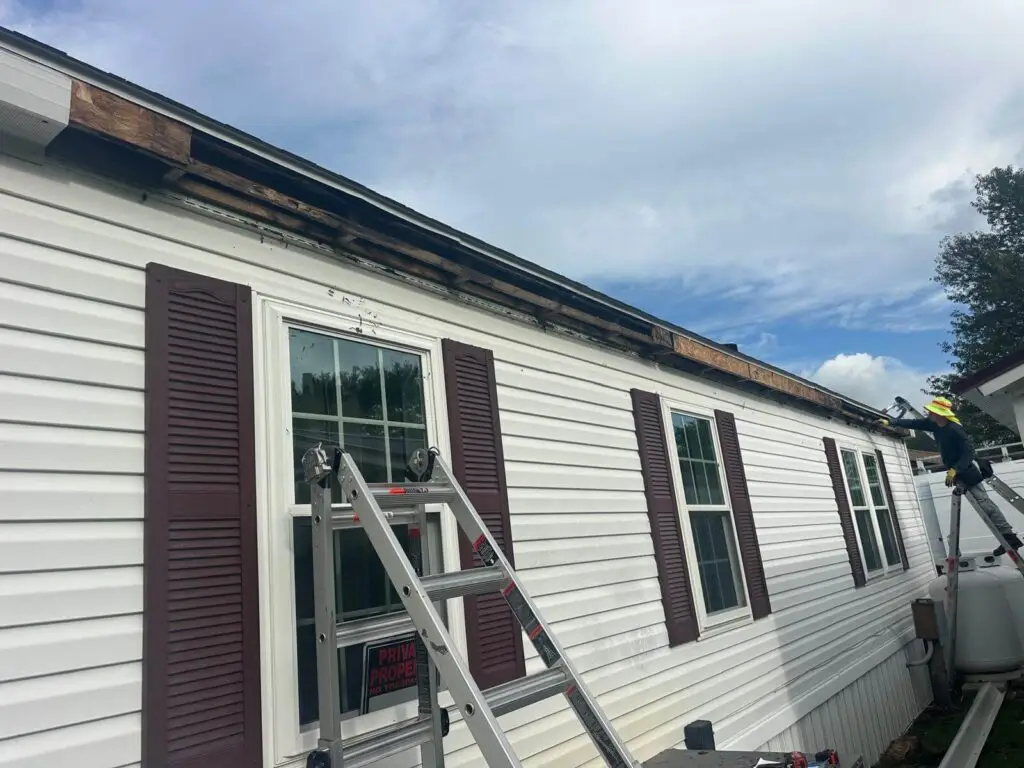
A homeowner requested gutter replacement and believed the old gutters were simply “clogging too often.” Upon inspection, the contractor found:
Rotting fascia
Squirrel-made holes
Water-soaked wood
Sectional gutters installed without proper slope
Professional solution included:
Fascia replacement
Fascia wrap installation
Seamless 6-inch gutters
Guards to prevent future clogs
This resulted in smooth water flow, no more overflow, and long-term protection for the home.
Final Checklist: How to Choose the Right Gutter Installer
Choose a contractor who:
- Specializes in seamless gutters
- Uses 0.032 aluminum
- Checks fascia and soffit
- Repairs fascia if needed
- Adjusts slope & pitch
- Uses hidden hangers
- Offers a strong, transferable warranty
- Avoids subcontractors
- Has real local project examples
- Installs 5” and 6” gutters
- Offers guards or filters
- Provides free inspections
Use this as your Homeowner Comparison Checklist.
If you’re exploring your installation or replacement options, see our full breakdown here:
[Expert Gutter Installation & Replacement for Virginia Beach Homes]
Ready to Install Seamless Gutters in Hampton Roads?
If you’re looking for a gutter installer who meets all these standards, you can request:
A free inspection
A transparent written quote
A no-pressure consultation
Installation within about a week
2 Responses